See prices From 59 EUR · Free cancellation available
Contents
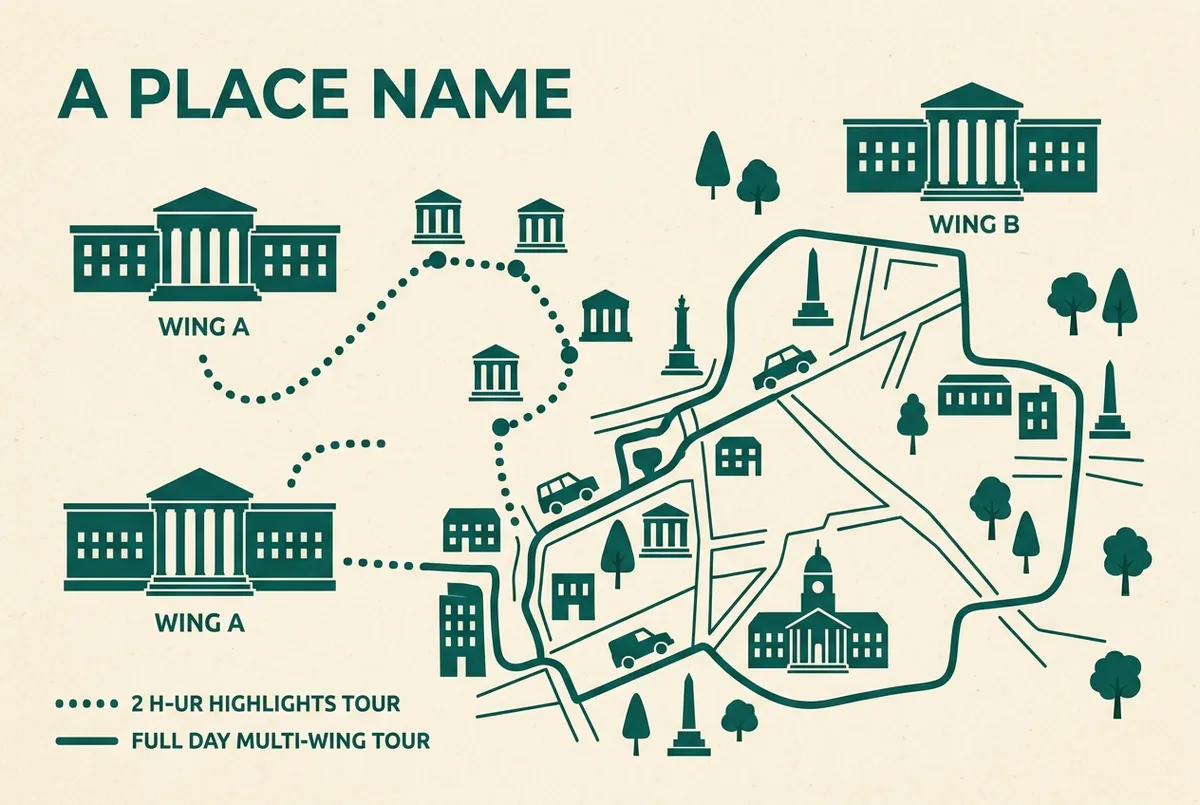
How long does it take to tour the Louvre depends almost entirely on what you’re trying to get out of the visit. A rushed highlights walk past the three most famous works takes roughly two hours, while a thorough visit covering several wings of the collection can run a full day or more. Here’s what I’d actually do: decide which of those two visits you want before you book anything, then pick a time slot and ticket format that actually fits it.
Before you lock in a time slot, my Louvre museum tips and rules guide covers the practical side of that same decision, bag rules, photography, the free areas you can wander without a ticket, since all of it shapes how much of your booked time actually goes toward looking at art.
How Long Do You Need for a Highlights Only Visit?
Plan on two to three hours if your goal is the Mona Lisa, the Venus de Milo and the Winged Victory of Samothrace and not much else. That window covers the walk from the Pyramid entrance to all three pieces, a reasonable amount of time standing in front of each one, and the inevitable slow patch around the Mona Lisa’s usual crowd.
I’d treat three hours as the comfortable version of this plan and two hours as the version where you’re moving with real purpose. Either way, I wouldn’t book anything shorter than two hours for this route: the Salle des Etats alone can eat fifteen minutes just waiting for a clear sightline.
Check prices & dates
Ready to visit?
Book your tickets in advance: popular time slots sell out.
Yes, but only if you walk in with a fixed list and skip almost everything outside it. How to see the Louvre in two hours really comes down to committing to a short route in advance rather than improvising once you’re inside, since the building is large enough that even finding a single gallery can eat ten minutes if you’re navigating cold.
My honest take: a guide earns their fee here more than almost anywhere else in this time budget. Someone who already knows the fastest path between the headline rooms turns a tight two hour window from stressful into genuinely enjoyable, which is a trade I’d make every time if the visit itself is short.
How Long Should You Budget for a Full Day?
A full day, realistically six to seven hours once you account for lunch and a couple of rest breaks, lets you move through several wings rather than just the three headline pieces: Egyptian antiquities, the Richelieu wing’s decorative arts, and a proper walk through the painting galleries beyond the Mona Lisa room.
I’d pace a day like this in two halves with a real lunch break at the Carrousel du Louvre in between, rather than pushing straight through. Gallery fatigue is real, and I’ve seen the quality of attention drop off hard in the final hour of a non stop day versus one with a built in pause.
Is One Day Enough to See the Entire Louvre?
No, not in any meaningful sense. The Louvre holds roughly 35,000 works on permanent display across three wings, and even a brisk walk past every room without stopping would take longer than most visitors have patience for in a single day. Can you see the Louvre in one day is really the wrong question; the honest one is how much of it you’re willing to accept not seeing.
I’d make peace with that trade off before you walk in. Picking three or four priority areas and seeing them properly beats trying to speed walk the whole building and remembering almost none of it, which is the mistake I see most often from first time visitors with only one day in Paris.
How Does Group Size Change the Time You Need?
A small group or private format moves faster than a large one, mostly because fewer people means less time lost regrouping between rooms and waiting for everyone to get a clear view of each piece. A tour capped at six or eight guests can realistically cover the same ground in meaningfully less time than a twenty person group.
If your schedule is genuinely tight, I’d lean toward the smaller group size over the cheaper large group option, since the time saved is worth more than the price difference on a trip where minutes actually matter.
Does a Guide Make the Visit Faster?
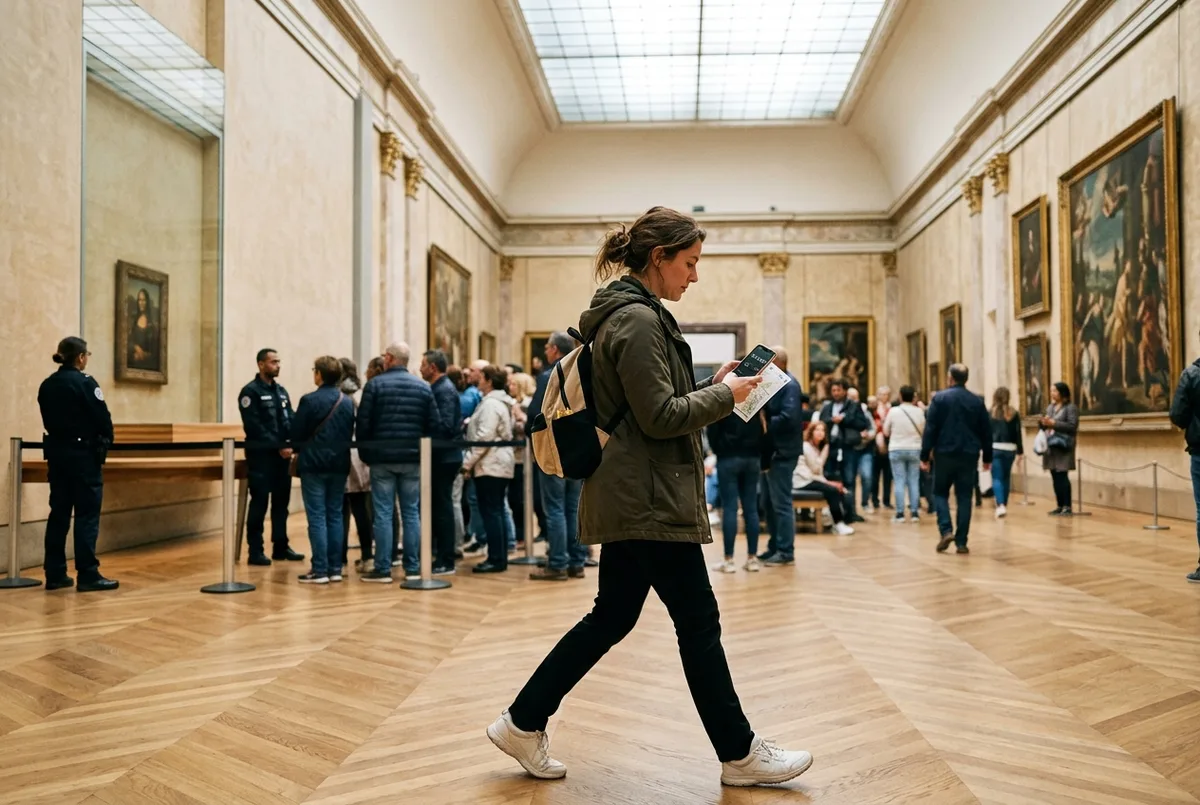
Yes, noticeably. A guide who already knows the layout eliminates the wrong turns and backtracking that eat up a surprising share of a self-guided visitor’s time, especially around the Denon wing’s busiest stretch near the Mona Lisa.
I’d book a guided format over a self-guided ticket any time the visit itself is under three hours. Past that point, once you’ve got half a day or more, I think the time savings matter less and a self-guided pace becomes the more enjoyable option for a lot of travelers.
How Much Time Should You Add for the Mona Lisa Line?
Even with a reserved entry slot, expect to lose ten to twenty minutes just getting a clear view in the Mona Lisa’s room during busier parts of the day, since the crowd there rarely thins out regardless of your ticket type. My guide to the best time to visit the Louvre and dodge the worst of the crowds covers the specific windows where that wait shrinks the most.
I’d build that buffer into any highlights route rather than treat it as a surprise. Losing fifteen minutes you planned for feels fine; losing fifteen minutes you didn’t plan for is what makes a tight schedule fall apart.
Should You Split the Louvre Across Two Visits?
If your Paris trip has the flexibility, yes, and I’d genuinely consider it over trying to force everything into one long day. Splitting the collection across two shorter visits, maybe a morning highlights walk one day and an afternoon wing exploration another, tends to hold your attention better than one marathon session does.
Whether that trade off is worth it for you really depends on whether the museum itself is a priority or a single stop on a packed itinerary. My honest take on whether the Louvre is worth your time weighs that decision directly if you’re still on the fence.
How Long Is Too Long for a Single Visit?
Past about four hours, most visitors start absorbing noticeably less per room than they did in the first two hours. Gallery fatigue is a real, physical thing in a building this size, and pushing past it rarely improves what you actually remember afterward.
My honest recommendation: if you’re planning anything longer than four hours, build in a genuine seated break, not just a quick stop, somewhere around the halfway point. The visit you remember well is usually the one where you stopped before you were running on empty, not the one where you saw the most rooms.
My Honest Recommendation
If you only have two to three hours, I’d book a guided highlights format without hesitation: trying to self-navigate that short a visit wastes too much of it on logistics. If you’ve got a full day, I’d still start with a guide for the first stretch and then switch to your own pace once you’ve covered the headline works, since that combination gets you both efficiency and freedom in the same visit.
Either way, lock in your time slot before you plan the rest of your day around it, not after. My Louvre tours and tickets lineup has every current format priced out, from the fast two hour options to the full day combos, if you haven’t picked one yet. The official Louvre visitor information is worth a glance too, since opening hours and gallery closures do shift and affect how much time you’ll actually have once you’re inside.
Frequently Asked Questions
How long does it take to tour the Louvre?
Plan on two to three hours for a highlights only visit, or six to seven hours for a fuller day covering several wings; the building is too large to see completely in either case.
How long does it take to tour the Louvre museum with a guide?
A guided highlights format typically runs one and a half to two hours, since a guide cuts out the wrong turns and backtracking a self-guided visitor usually loses time to.
How do you see the Louvre in two hours?
Commit to a short, fixed list before you arrive, usually the Mona Lisa, the Venus de Milo and the Winged Victory of Samothrace, and book a guided format if the time budget is genuinely tight.
Can you see the Louvre in one day?
You can see a meaningful portion in one day, but not the entire collection; roughly 35,000 works are on permanent display, far more than any single visit covers.